
San Diego MTS Transit Construction: Spring Street Station Parking Lot Closure Starting Late August 2026 - What Pacific Beach Builders Need to Know
San Diego's transit-oriented development boom is accelerating, and it's about to affect residential builders across the county—including those working in Pacific Beach, La Jolla, and Mission Beach. Construction begins late August 2026 at the Spring Street Trolley Station in La Mesa, launching a two-year project that'll close the transit parking lot and demand significant skilled labor resources. While the project sits 15 miles inland from Pacific Beach, its timing and scale create direct implications for coastal residential construction labor availability, wage pressures, and project scheduling through 2028.
San Diego's transit-oriented development boom is accelerating, and it's about to affect residential builders across the county—including those working in Pacific Beach, La Jolla, and Mission Beach. Construction begins late August 2026 at the Spring Street Trolley Station in La Mesa, launching a two-year project that'll close the transit parking lot and demand significant skilled labor resources. While the project sits 15 miles inland from Pacific Beach, its timing and scale create direct implications for coastal residential construction labor availability, wage pressures, and project scheduling through 2028.
The Spring Street Station transit-oriented development represents the latest in a wave of MTS-led affordable housing projects reshaping San Diego's construction landscape. Affirmed Housing, one of San Diego's most prolific affordable housing developers, will construct 147 apartment units across two partially connected six-story buildings—all 100% affordable housing serving residents earning between 30-60% of area median income. According to Times of San Diego reporting from June 2026, groundbreaking is scheduled for late July 2026, with parking lot closures beginning in late August.
For Pacific Beach builders managing residential projects—whether custom homes near Garnet Avenue, ADUs in Bird Rock, or coastal renovation work along Tourmaline Surfing Park—understanding how this regional infrastructure push affects labor markets isn't optional anymore. San Diego County's construction industry already operates with a 12% vacancy rate as of May 2026, significantly above the 7-8% level considered healthy. Now add a two-year, 147-unit TOD project requiring electricians, plumbers, framers, and concrete specialists—the same trades already scarce in coastal markets.
Spring Street Station TOD Project: Construction Timeline and Scope
The Spring Street Station project demonstrates how San Diego's Metropolitan Transit System is leveraging surplus land near trolley stations to create revenue-generating affordable housing while increasing transit ridership. According to MTS's official project page, construction will close the transit parking lot for approximately two years starting late August 2026. During this time, only a limited number of ADA-accessible spaces will remain available; no general parking will be open.
Affected riders can find alternative parking at nearby Grossmont and Massachusetts Avenue stations, or at 70th Street Station for Green Line riders. Importantly, San Diego Trolley and bus service at Spring Street won't be interrupted—only the parking facility.
| Project Component | Details |
|---|---|
| Developer | Affirmed Housing |
| Total Units | 147 affordable apartments |
| Building Configuration | Two partially connected six-story buildings |
| Parking | Ground-level parking within buildings |
| Income Targeting | 100% affordable (30-60% AMI) |
| Construction Start | Late July 2026 |
| Parking Lot Closure | Late August 2026 |
| Estimated Duration | Approximately 2 years (through mid-2028) |
Affirmed Housing brings substantial experience to this project. The San Diego-based developer has financed more than $3 billion in affordable and supportive housing developments, with 6,000 units developed or under development across 75 California communities. Their portfolio includes recently completed projects like ShoreLINE (126 units in San Diego) and Estrella (96 units in San Marcos), plus major projects under construction including a $94.5 million Rancho Bernardo development and a $106 million La Mesa project.
The company closed four deals in 2025 totaling 705 apartments and expects to finish six apartment projects in 2026—a production pace that signals sustained labor demand from this single developer alone.
Regional Labor Market Impact: How Two Years of TOD Construction Affects Pacific Beach Residential Projects
Here's the critical question for Pacific Beach builders: when a 147-unit, two-year project launches 15 miles inland, how does it impact your ability to staff residential jobs in coastal communities?
The answer lies in San Diego County's constrained skilled labor pool and the specific trades required for transit-oriented developments. Six-story mixed-use buildings demand specialized crews for structural concrete, multi-story framing, commercial-grade electrical and plumbing systems, elevator installation, and fire suppression systems—many of the same specialized trades that Pacific Beach custom home builders and ADU developers compete for.
According to Pacific Beach Builder's May 2026 analysis, San Diego will require 12,000 additional construction workers through 2029 to meet current housing and infrastructure demand. That's a 22% workforce increase above current levels. Meanwhile, the region's $160 billion regional transportation plan will demand 25,000 construction workers between 2025 and 2030, further tightening the residential construction labor pool.
The Spring Street Station project represents just one of several active MTS transit-oriented developments competing for this limited workforce:
| MTS TOD Project | Location | Units | Status (August 2026) |
|---|---|---|---|
| Spring Street Station | La Mesa | 147 | Construction starts late July 2026 |
| E Street Transit Center | Chula Vista | Seven-story building | Development agreement approved |
| 12th & Imperial Transit Center | Downtown San Diego | TBD | Disposition agreement under consideration |
| SkyLINE | Rancho Bernardo | 100 | Opened early 2026 |
Source: MTS Current Projects

This pipeline of transit-oriented projects creates sustained demand that residential builders must plan around. Unlike temporary spikes from single large developments, MTS's strategy of developing surplus land at multiple transit centers creates rolling labor demand across the county through 2028 and beyond.
Wage Pressure and Cost Implications
Labor scarcity drives wage inflation, and the data shows acceleration. K2 Staffing's 2025-26 construction labor market analysis projects San Diego construction wages will increase 3.8% in 2025 and 4.1% in 2026, with the 2026 rate potentially exceeding Los Angeles's projected 3.9% growth—a reversal of historical patterns that signals accelerating regional demand.
More specifically, labor shortages are driving skilled trade wages up 6-8% annually as of mid-2026. By late 2026, average salaries for electricians, plumbers, welders, and carpenters are predicted to reach $65,000-$85,000 annually, with San Diego plumbers in construction earning median wages above $62,820.
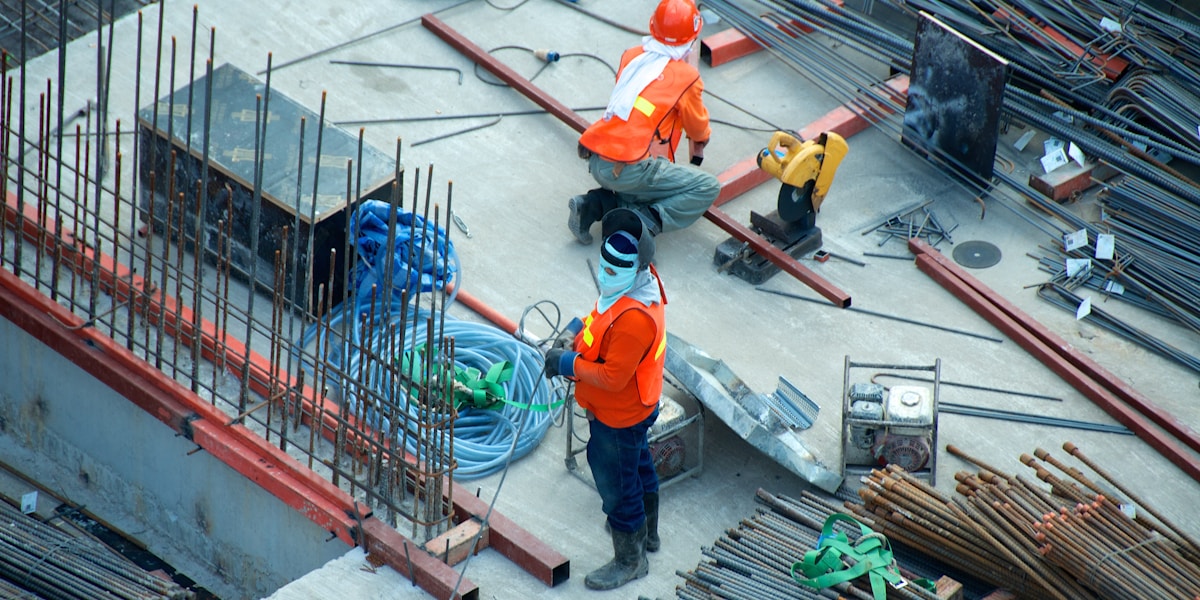
For Pacific Beach residential builders, labor now represents 35-39% of total construction costs. On a typical $800,000 custom home renovation or $300,000 ADU project, a 6-8% annual wage increase translates to:
- $800K renovation: $280K-$312K labor costs → $16,800-$24,960 additional annual labor expense
- $300K ADU: $105K-$117K labor costs → $6,300-$9,360 additional annual labor expense
These aren't abstract percentages—they're real budget impacts that require proactive project scheduling and contract structuring to manage.
Transit-Oriented Development Design Standards and Construction Requirements
Understanding MTS transit-oriented development construction standards matters for two reasons: it helps builders evaluate subcontracting opportunities on TOD projects, and it provides insight into potential future Pacific Beach transit developments should coastal trolley extensions materialize.
California's Senate Bill 79 (SB 79), which takes effect July 1, 2026, establishes statewide standards for transit-oriented development in urban transit counties—including San Diego County. SB 79 applies only in counties with 15 or more passenger rail stations, currently including Alameda, Los Angeles, Sacramento, San Diego, San Francisco, San Mateo, and Santa Clara counties.
Under SB 79, qualifying housing developments located within a transit-oriented development zone must be permitted as an allowed use on parcels zoned for residential, mixed-use, or commercial development, provided the project includes at least five dwelling units and meets statutory height, density, and residential floor area ratio standards, which vary based on proximity to transit stops.
| SB 79 Requirement | Standard |
|---|---|
| Residential Square Footage | At least 50% of total project square footage |
| Affordable Housing Set-Aside | At least 20% of units reserved for lower-income households |
| Affordability Duration | Minimum 55 years (rentals), 45 years (ownership) |
| Average Unit Size Cap | Cannot exceed 1,750 net habitable square feet |
| Proximity Standards | Vary by distance (1/4 mile vs. 1/2 mile) and transit tier (Tier 1 vs. Tier 2) |
| Qualifying Transit Systems | Includes MTS Trolley (classified as Tier 2 service) |
Source: National Law Review SB 79 Analysis
These standards override local ordinances and deem qualifying TOD projects an allowable use near major transit stations—a significant shift in development authority that streamlines approvals but also sets specific construction requirements.
For typical California affordable housing TOD projects, realistic timelines run 18-24 months from entitlement approval to construction start, accounting for financing applications and TCAC (Tax Credit Allocation Committee) cycles. Once construction begins, six-story mixed-use buildings like Spring Street Station generally require 18-24 months to complete, putting total project timelines at 3-4 years from approval to occupancy.
Contractor Opportunities and Subcontracting Strategies for Pacific Beach Builders
While the Spring Street Station project creates labor competition for residential builders, it also presents subcontracting opportunities for firms willing to pursue MTS-related work. Understanding how to access these opportunities requires familiarity with MTS's procurement processes.
According to MTS's Procurement Department, the agency solicits on behalf of MTS and its subsidiaries for goods, inventory items, consulting and professional services, maintenance, and construction projects. Contracts for construction (public works) exceeding $50,000 go through a formal competitive bidding process. For expected construction contracts between $1,000 and $50,000, MTS seeks a minimum of three quotes.
MTS is committed to ensuring equal opportunity for all vendors and strongly encourages contractors, subcontractors, joint ventures, and Disadvantaged Business Enterprises (DBEs) to bid on relevant projects and contracts.
For Pacific Beach builders considering MTS subcontracting work, the strategic approach includes:
- Register as a vendor: Visit sdmts.com/business-center/procurement to understand current opportunities and registration requirements.
- Monitor City of San Diego opportunities: The City's designated website PlanetBids offers construction and architectural/engineering consultant contracts currently open for bid.
- Become prequalified: To bid on upcoming CIP construction projects or other infrastructure contracting opportunities, businesses should become prequalified to bid on construction projects and register as a vendor through the City's system.
- Pursue specialty trade subcontracts: Rather than general contracting entire TOD projects, Pacific Beach firms can target specific trades where they have established expertise—electrical, plumbing, finish carpentry, or specialized coastal-resistant materials installation.
- Partner with established affordable housing contractors: Firms like Affirmed Housing typically work with repeat general contractors who then subcontract specialty trades. Building relationships with these GCs creates ongoing opportunities across multiple projects.
According to PlanHub's San Diego construction bid listings, general contractors post public and private sector bid opportunities across all trades, making it easier for subcontractors to identify relevant projects.

Could Pacific Beach See Similar Transit-Oriented Developments? Market Signals and Planning Trends
The natural question for Pacific Beach property owners and builders: could we see transit-oriented development projects in our coastal communities?
The answer depends on proximity to existing or planned transit infrastructure. The Mid-Coast Trolley extension opened for revenue service on November 21, 2021, bringing the UC San Diego Blue Line to coastal areas. The Balboa Avenue station is the closest to Pacific Beach, connecting the coastal community with a one-seat ride to downtown San Diego and University Town Center.
Since opening, the Mid-Coast extension has proven popular—the UC San Diego Blue Line has seen a 73% increase in ridership since its opening. The eleven-mile trolley extension improves access to growing employment, education, medical, and residential areas, serving major activity centers including Old Town San Diego, Mission Bay, UC San Diego, and Westfield UTC.
Under SB 79's framework, areas within one-quarter to one-half mile of major transit stops (including MTS Trolley stations) become eligible for streamlined TOD approvals. The Balboa Avenue station creates a TOD-eligible zone that could theoretically support future affordable housing projects similar to Spring Street Station—though no specific Pacific Beach TOD projects are currently announced.
For Pacific Beach neighborhoods—from the vibrant Garnet Avenue commercial corridor to coastal areas like Bird Rock and Tourmaline Surfing Park—any future TOD development near Balboa Avenue station would create additional construction labor demand affecting custom residential projects throughout the area. Builders working on projects near Kate Sessions Park or along Crystal Pier would need to account for the same labor market pressures already evident from projects like Spring Street Station.
What makes TOD more likely in certain areas? Several factors converge:
- Proximity to high-frequency transit: Balboa Avenue station qualifies
- Availability of surplus public land: MTS's TOD strategy focuses on transit agency-owned land near stations
- Local housing demand and affordability gaps: Pacific Beach's median single-family home price of $2,331,000 (July 2026) creates significant affordability challenges
- Supportive local planning policies: Community plan amendments and zoning updates that accommodate higher-density development
SANDAG's 2050 Regional Plan provides the macro context. The plan lays out an estimated $214 billion investment in local, state, and federal transportation funds over the next 40 years. Transit receives the largest proportion of funds—36% in the first 10 years, growing to 44% from 2021-2030, 47% in the third decade, and 57% in the last decade of the plan.
This sustained transit investment signals continued MTS expansion and, by extension, more TOD opportunities across the county—potentially including coastal communities as ridership grows and land availability is identified.
Timeline Planning for Residential Builders: Scheduling Around Regional Labor Demand Spikes
For Pacific Beach builders managing 2026-2028 project pipelines, the Spring Street Station construction timeline creates specific planning considerations. Here's a practical framework for scheduling residential projects around regional infrastructure labor demand:
August 2026 - December 2026: Peak Foundation and Structural Phase
The Spring Street Station project will mobilize crews for site preparation, foundation work, and initial structural framing. This phase demands concrete specialists, heavy equipment operators, and structural framers—trades that overlap significantly with custom home foundations and major renovation projects.
Strategic Response: If your Pacific Beach project requires extensive foundation work or structural modifications, consider either completing this phase before September 2026 or delaying to Q2 2027. Alternatively, lock in contracts with specific crews before late August 2026 to secure availability and pricing.
January 2027 - December 2027: Vertical Construction and MEP Rough-In
Year two involves vertical construction, mechanical/electrical/plumbing rough-in, and exterior envelope completion. This phase creates maximum demand for electricians, plumbers, HVAC technicians, and exterior finishers—the exact trades Pacific Beach ADU projects and home renovations require.
Strategic Response: For projects scheduled during this window, build additional time buffers (15-20%) into your construction schedules to account for potential crew availability delays. Consider premium pricing for guaranteed crew availability, and maintain relationships with multiple subcontractors in each trade to create backup options.
January 2028 - Mid-2028: Interior Finishes and Closeout
Final project phases include interior finishes, final inspections, and closeout. While finish carpenters, painters, and flooring specialists see demand during this period, it's typically less competitive than structural and MEP trades.
Strategic Response: If flexibility exists in your project timeline, this represents a potentially less competitive window for projects requiring primarily finish work rather than heavy structural or systems installation.
Additional Planning Factors
Beyond the Spring Street Station timeline, Pacific Beach builders should account for:
- Multiple concurrent MTS TOD projects: E Street Transit Center (Chula Vista) and 12th & Imperial Transit Center projects add to regional labor demand
- Hospital seismic retrofit deadline: California's 2030 hospital seismic safety requirement drives $143-176 billion in statewide construction, creating sustained healthcare construction labor demand through decade's end
- San Diego Unified housing projects: The district's workforce housing initiatives add to the competitive landscape
- Measure HH college construction: The $3.5 billion Measure HH program creates ongoing community college construction demand through the late 2020s
In this environment, successful project scheduling requires viewing your Pacific Beach residential project not in isolation but as part of a regional construction ecosystem where multiple large-scale infrastructure and institutional projects compete for the same limited skilled workforce. Contact our team to develop a strategic labor planning approach for your project.
FAQ: San Diego MTS Transit Construction and Pacific Beach Labor Market Impact
When does the Spring Street Station parking lot close for construction?
The Spring Street Station transit parking lot closes in late August 2026 for approximately two years. During construction, a limited number of ADA-accessible spaces will remain available, but no general parking will be open. Affected riders can use alternative parking at Grossmont, Massachusetts Avenue, or 70th Street stations. San Diego Trolley and bus service at Spring Street will continue without interruption.
How does the Spring Street Station project affect Pacific Beach residential construction labor costs?
The two-year, 147-unit project increases regional demand for electricians, plumbers, framers, and other skilled trades already experiencing 12% vacancy rates countywide. This contributes to wage inflation running 6-8% annually as of mid-2026. For a typical $800,000 Pacific Beach home renovation with $280,000-$312,000 in labor costs, annual wage increases translate to $16,800-$24,960 in additional labor expenses. Combined with other regional infrastructure projects, builders should expect sustained upward wage pressure through 2028.
Can Pacific Beach contractors bid on MTS transit-oriented development subcontracts?
Yes. MTS uses formal competitive bidding for construction contracts exceeding $50,000 and encourages contractors, subcontractors, and DBEs to participate. Pacific Beach builders can register as vendors through MTS's procurement portal at sdmts.com/business-center/procurement. Strategic approaches include targeting specialty trades where you have established expertise (electrical, plumbing, finish carpentry) and partnering with general contractors who regularly work on affordable housing projects with developers like Affirmed Housing.
What are transit-oriented development (TOD) construction standards under California's SB 79?
SB 79, effective July 1, 2026, establishes statewide TOD standards in urban transit counties including San Diego. Qualifying projects must include at least 50% residential square footage, reserve at least 20% of units for lower-income households with 55-year affordability covenants (rentals) or 45 years (ownership), and maintain average unit sizes not exceeding 1,750 net habitable square feet. Standards vary by proximity to transit stops (one-quarter mile vs. one-half mile) and transit tier classification. MTS Trolley qualifies as Tier 2 service under the statute.
Could Pacific Beach see similar transit-oriented development projects in the future?
Potentially, yes. The Balboa Avenue trolley station (opened November 2021) is the closest to Pacific Beach and creates a TOD-eligible zone under SB 79. Future TOD projects would require identification of suitable sites—likely surplus public land near the station—plus alignment with local planning policies. The Mid-Coast Trolley extension has seen 73% ridership increases since opening, demonstrating transit demand that could support future TOD. SANDAG's 2050 Regional Plan allocates $214 billion to transportation, with transit funding growing from 36% initially to 57% by 2050, signaling sustained regional commitment to transit expansion and associated development.
What's the typical construction timeline for a six-story affordable housing TOD project?
From entitlement approval to construction start: 18-24 months (accounting for financing applications and TCAC cycles). Once construction begins: 18-24 months for a six-story mixed-use building like Spring Street Station. Total project timeline from approval to occupancy: approximately 3-4 years. The Spring Street Station project specifically began construction in late July 2026 with an anticipated two-year build, targeting mid-2028 completion.
How many construction workers does San Diego County need to meet current demand?
San Diego County requires 12,000 additional construction workers through 2029 to meet current housing and infrastructure demand—a 22% increase above current workforce levels. Additionally, SANDAG's $160 billion regional transportation plan will demand 25,000 construction workers between 2025 and 2030. As of May 2026, the county's construction industry operates with a 12% vacancy rate, significantly above the 7-8% level considered healthy. Electricians, plumbers, and HVAC technicians are especially scarce, with some companies offering signing bonuses up to $5,000 for specialized roles.
When should Pacific Beach builders schedule projects to avoid peak regional labor competition?
The most competitive period for skilled trades will be January 2027 through December 2027, when the Spring Street Station project enters vertical construction and MEP rough-in phases demanding maximum electrician, plumber, and HVAC technician availability. For projects requiring extensive foundation work or structural modifications, consider completing that phase before September 2026 or delaying to Q2 2027. Projects requiring primarily finish work may find less competition in early 2028 as major infrastructure projects complete structural phases. However, sustained demand from multiple concurrent projects (hospital seismic retrofits, Measure HH college construction, additional MTS TOD developments) means competitive conditions will persist through decade's end.
What other major San Diego construction projects are currently competing for the same labor pool?
Beyond Spring Street Station, Pacific Beach builders face labor competition from: MTS's E Street Transit Center TOD (Chula Vista) and 12th & Imperial Transit Center TOD (downtown San Diego); California's 2030 hospital seismic safety deadline driving $143-176 billion statewide healthcare construction; San Diego Unified School District workforce housing developments; the $3.5 billion Measure HH community college construction program; major developments including Midway Rising, NAVWAR expansion, Seaport Village redevelopment, Airport Terminal 1, and Chula Vista Bayfront; plus San Diego's Mid-City Plan targeting 30,000 new homes. This sustained multi-sector demand creates ongoing labor scarcity through 2029 and beyond.
How does Affirmed Housing's project pipeline affect regional construction labor availability?
Affirmed Housing, the Spring Street Station developer, maintains one of San Diego's most aggressive affordable housing production schedules. The company closed four deals in 2025 totaling 705 apartments and expects to finish six apartment projects in 2026. Their active pipeline includes projects valued at $94.5 million (Rancho Bernardo), $106 million (La Mesa), and $76.3 million (Chollas View, starting December 2026). With 6,000 units developed or under development across 75 communities and more than $3 billion in financed projects, Affirmed Housing alone creates sustained skilled labor demand that residential builders must account for when planning Pacific Beach projects.
This article provides general information about San Diego's construction labor market and transit-oriented development projects for educational purposes. Labor market conditions, wage rates, and project timelines can change. Always consult with qualified construction professionals, labor market analysts, and project managers before making scheduling or contracting decisions.