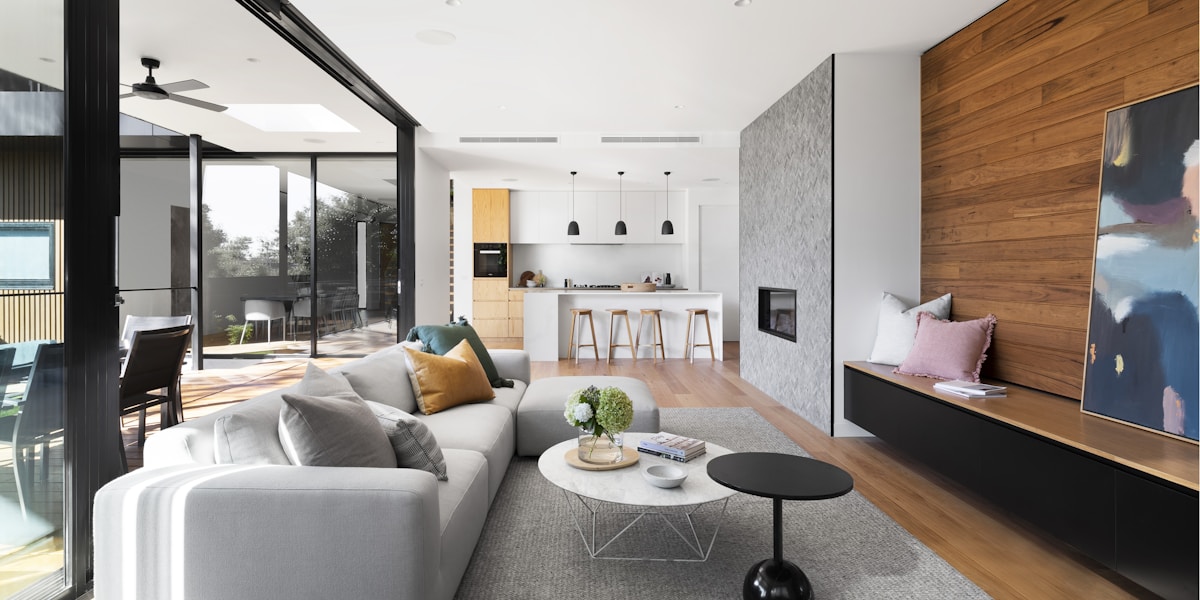
San Diego 2026 Coastal Remodeling Trends: Coastal Japandi, Wellness Spaces & Multi-Gen ADUs
San Diego's coastal remodeling landscape is experiencing a dramatic transformation in 2026, driven by evolving design aesthetics, wellness priorities, and multigenerational living needs. This comprehensive guide examines the most significant coastal remodeling trends shaping Pacific Beach, La Jolla, Mission Beach, and Bird Rock properties—from Coastal Japandi aesthetics to wellness amenities, indoor-outdoor integration, multigenerational ADUs, energy compliance triggers, and marine-grade material requirements.
San Diego's coastal remodeling landscape is experiencing a dramatic transformation in 2026, driven by evolving design aesthetics, wellness priorities, and multigenerational living needs. According to Jackson Design & Remodeling's 2026 trend report, homeowners in Pacific Beach, La Jolla, and Del Mar are moving away from remodeling solely for resale value and instead embracing personalized, architecturally sophisticated designs that reflect their lifestyle priorities.
This comprehensive guide examines the most significant San Diego coastal remodeling trends shaping Pacific Beach, La Jolla, Mission Beach, and Bird Rock properties in 2026—from Coastal Japandi aesthetics to wellness amenities, indoor-outdoor integration, multigenerational ADUs, energy compliance triggers, and marine-grade material requirements. Whether you're planning a bathroom refresh or a whole-home transformation, understanding these San Diego coastal remodeling trends will help you make informed decisions that enhance both property value and quality of life.
What Defines Coastal Japandi Style in 2026 Pacific Beach and La Jolla Remodels?
Coastal Japandi represents the fusion of three distinct design philosophies: Japanese minimalism, Scandinavian functionality, and California coastal ease. According to design experts, Japandi has crossed the threshold from emerging style to default contemporary in 2026—the way mid-century modern did in 2015 and modern farmhouse did in 2018. This aesthetic has become one of the defining San Diego coastal remodeling trends, particularly appealing to homeowners seeking timeless sophistication over trendy themes.
The aesthetic combines natural wood tones, organic textures, and muted color palettes with clean lines and functional simplicity. Mojo Boutique's Coastal Japandi guide emphasizes that this style merges serenity with uncluttered interiors while incorporating natural textures and earthy coastal tones.
For Pacific Beach (92109), La Jolla (92037), and Bird Rock coastal properties, material selection becomes critical. Properties near Tourmaline Surfing Park and other direct oceanfront locations face the most extreme salt-air exposure. Designers lean toward sealed white oak over raw blackened steel near saltwater environments, recognizing that coastal salt-air considerations fundamentally change material specifications. The color palette shifts away from the millennial gray and sandy white oak that dominated previous years, moving instead toward warmer, more saturated natural tones that feel comfortable and less formal.
Key Coastal Japandi elements for San Diego coastal remodels include:
- Natural wood: Sealed white oak, teak, and sustainably harvested walnut in warm, organic tones
- Minimalist forms: Clean-lined cabinetry without ornate hardware, integrated handles, push-to-open mechanisms
- Textural contrast: Smooth plaster walls paired with woven textiles, natural stone, and organic materials
- Muted palette: Warm neutrals, soft grays, sand tones, and ocean-inspired blues
- Functional simplicity: Every design element serves a purpose; no purely decorative clutter
- Indoor plant integration: Living greenery as architectural elements, not afterthoughts
According to Jackson Design & Remodeling, there's a noticeable move away from literal coastal themes toward more layered, textural environments with cleaner, more architectural, and more personal designs. This evolution makes Coastal Japandi particularly well-suited for Pacific Beach, La Jolla, and Bird Rock properties seeking timeless sophistication rather than trendy beach house clichés. For homeowners exploring this aesthetic further, our guide on Jackson Design 2026 trends implementation provides detailed specifications for achieving this look in coastal homes.
Wellness Spaces in Pacific Beach & La Jolla: Saunas, Cold Plunges, and Steam Showers in Coastal Homes
Wellness-inspired remodeling continues to accelerate in 2026, particularly among San Diego homeowners who prioritize longevity, balance, and intentional living. Fine Homes and Living reports that luxury wellness at home has become the new standard for high-end living, with dedicated wellness amenities no longer considered extravagant but essential. This represents a significant shift in San Diego coastal remodeling trends, with wellness spaces now commanding the same budget priority as kitchen and bathroom upgrades.
Infrared Sauna Installation Costs and Specifications
Infrared sauna prices in 2026 range from $1,500 for portable single-person units to over $50,000 for custom-built luxury residential installations, according to Sun Home Saunas' 2026 cost analysis. High-quality indoor full-spectrum infrared saunas for two cost approximately $7,999, while three-person models run $8,999.
For coastal Pacific Beach, La Jolla, Bird Rock, and Tourmaline Surfing Park installations, specify marine-grade electrical components and corrosion-resistant hardware. Properties within 500 feet of the ocean require enhanced salt-air protection. Across a typical 5-year ownership horizon, an infrared sauna costs roughly $5,000–$13,000 all-in when factoring in installation, electrical work, and operating costs.
Steam Shower Integration
The national typical cost for professional steam room installation is $2,800–$11,000, with an average of $5,000, per Angi's 2026 pricing data. Converting a standard shower to a steam shower, including unit, generator, and labor, averages $4,300.
Coastal installations require additional considerations:
- Marine-grade steam generators: Salt-air resistant models prevent premature corrosion
- Proper ventilation: Enhanced exhaust capacity prevents moisture accumulation and mold
- Waterproofing: Multiple redundant waterproof layers to protect against both steam and coastal humidity
- Tile selection: Non-porous porcelain or natural stone with sealed grout lines
Cold Plunge Installations
Cold plunge options range from budget-friendly chest freezer conversions ($800–$2,000) to purpose-built cold plunge tubs with chillers ($8,000–$15,000). Peak Primal Wellness notes that a complete home spa setup combining steam shower, sauna, and cold plunge can range from $8,000 to $50,000 depending on quality and installation complexity.
Prefabricated steam units combined with two-person barrel saunas and chest freezer cold plunge conversions can bring total wellness space costs to the $8,000–$15,000 range, while premium custom-built installations easily exceed $30,000.
ROI and Property Value Impact
While wellness amenities require significant upfront investment, they offer compelling returns for Pacific Beach and La Jolla coastal properties. High-end buyers increasingly prioritize health-conscious features, and properties with dedicated wellness spaces command premium prices in competitive coastal markets. Additionally, these installations enhance daily quality of life, providing immediate personal returns beyond eventual resale considerations.
Indoor-Outdoor Living Evolution: Retractable Glass Walls and Covered Outdoor Kitchens
Indoor-outdoor living continues to define San Diego coastal architecture in 2026, with technological advances enabling more seamless transitions between interior and exterior spaces. Jackson Design & Remodeling identifies enhanced indoor-outdoor living as a dominant trend, featuring architectural patio structures, seamless flooring transitions, retractable glass walls, and fire features with layered landscape lighting. For comprehensive insights on implementing these features, see our article on 2026 home remodeling trends in Pacific Beach.
Retractable Glass Wall Systems
Two manufacturers dominate the high-performance coastal retractable glass market: NanaWall and Western Window Systems.
NanaWall Systems for Coastal Environments
NanaWall's moveable glass walls offer the low-maintenance and durability needed in coastal environments accustomed to harsh weather and salt air. Their systems are independently tested for air, water, structural integrity, forced entry, and sound control, ensuring long-lasting performance in Pacific Beach's marine climate.
For Southern California coastal climates where air is heavy with moisture and salt content, NanaWall recommends stainless-steel systems where hinges and handles resist the elements while seals protect hardwood jambs. The NanaWall SL73 hurricane-rated folding glass door provides exceptional performance for exposed coastal locations.
NanaWall's minimal sliding glass doors glide above the water table and are tested for 40,000 opening and closing cycles, with panel and interlock designs engineered to accommodate glass deflection for continuous performance.
Western Window Systems for La Jolla Projects
Western Window Systems products, including Series 600 Multi-Slide Doors and Series 600 Window Walls, were featured in the Muse La Jolla luxury condos. The design emphasized cleaner lines and maximizing La Jolla's natural light through big expanses of glass with thinner mullions.
Their Series 7600 multi-slide doors incorporate nearly 60 years of design advancements, featuring thin profiles and large, unobstructed rolling glass panels that stack or slide into pockets. Panels can completely disappear into walls, providing maximum opening to outdoor spaces.
Cost considerations: High-performance retractable glass wall systems typically range from $800–$1,500 per linear foot installed, with premium coastal-rated systems at the higher end. A 12-foot opening with four-panel multi-slide doors generally costs $15,000–$25,000 installed, while whole-wall systems for great rooms can exceed $40,000.
Covered Outdoor Kitchens
Outdoor kitchens have evolved from simple built-in grills to fully functional cooking environments rivaling interior kitchens. 2026 pricing data shows outdoor kitchen installations typically cost between $5,060 and $17,280, with most homeowners spending approximately $13,180.
High-end, fully custom outdoor kitchens with premium appliances, extensive stonework, covered structures, and full utilities range from $30,000 to $75,000 or more, according to Lawn Love's 2026 cost breakdown.
For Pacific Beach coastal properties, budget breakdowns include:
- Basic setups (grill, countertop, storage): $5,000–$12,000
- Mid-range kitchens (built-in grill, sink, refrigerator, weatherproof cabinetry): $13,000–$28,000
- Premium installations (full appliance suite, covered structure, custom finishes): $30,000–$75,000+
Covered Structure Options and Costs
Fun Outdoor Living's 2026 guide details coverage costs:
- Covered patio: $10,000–$22,500
- Gable patio roof: $14,000–$31,000
- Pergola: $1,450–$5,750
- Retractable awnings: $200–$6,000
Marine-Grade Appliances for Coastal Installations
Coastal outdoor kitchens demand marine-grade materials. Rochester Concrete Products' 2026 trends report emphasizes selecting outdoor-rated, weatherproof models that withstand the elements. High-quality 304 or marine-grade 316 stainless steel provides superior resistance to salt air, particularly critical for Pacific Beach and Mission Beach oceanfront properties. Mission Beach outdoor kitchens face especially aggressive salt-air exposure due to proximity to both the ocean and bay, requiring the highest level of corrosion protection for long-term performance.
Essential weatherproof appliances include outdoor-rated refrigerators ($1,200–$4,000), marine-grade grills ($2,500–$8,000), weatherproof storage cabinets, and outdoor sink systems with corrosion-resistant plumbing fixtures.
Multigenerational ADU Design: Private Entries and Aging-in-Place Features
Multigenerational living has emerged as a defining trend for 2026 San Diego coastal remodels, driven by housing affordability challenges, aging demographics, and cultural shifts toward extended family support systems. House Digest reports that multigenerational home design is emerging among homeowners more than ever in 2026. For detailed cost analysis specific to coastal ADU construction, review our coastal ADU construction costs guide for Pacific Beach and La Jolla.
According to eppraisal's market analysis, properties featuring dedicated multigenerational layouts or Accessory Dwelling Units command a 22% premium per square foot compared to standard single-family layouts in 2026.
The ADU Multigenerational Advantage
Lumen Mortgage's ADU guide explains that ADUs provide an effective tool for multigenerational living without sacrificing privacy or autonomy. An ADU on the same property allows families to keep aging parents close enough for daily assistance while maintaining separate living quarters and independence.
Washingtonian notes that with many homeowners staying put longer, there's a significant wave of reimagined spaces, with ADUs remaining extremely popular for both family flexibility and rental potential.
Critical Design Features for Multigenerational ADUs
Private Entry Requirements
The most critical feature driving property value is a separate, private entrance. Designing ADUs for multigenerational living emphasizes that a "walk-out" basement or side-entry casita creates psychological boundaries between residents. Private entries enable independent comings and goings without disrupting the main household.
Aging-in-Place Design Elements
The National Kitchen & Bath Association's (NKBA) Annual Bath Trends Report found that aging-in-place features are becoming mainstream, including:
- Wider entryways: Minimum 36-inch door widths to accommodate wheelchairs and walkers
- Curbless showers: Zero-threshold entries with built-in seating and grab bars
- Grab bars: Strategically placed throughout bathrooms, reinforced during construction
- Single-story layouts: Eliminates stairs as mobility barriers
- Lever-style door handles: Easier to operate than traditional knobs
- Accessible kitchen design: Lowered countertop sections, pull-out shelving, side-opening ovens
IM KAT Construction's ADU guide recommends integrating these components to guarantee that spaces remain appropriate as family members' needs evolve over time.
California's 2026 ADU Law Changes
California's 2026 ADU reforms—SB 543, AB 1154, AB 462, and clarifications to SB 9—represent the most significant changes to ADU regulations in years. SB 543 imposes strict penalties on local agencies failing to submit compliant ADU ordinances within 60 days, translating to faster approvals for Pacific Beach homeowners.
AB 1154 relaxes owner-occupancy requirements for Junior ADUs and allows JADUs with separate bathrooms, while banning short-term rentals under 30 days. Under 2026 rules, a detached ADU with separate entrance, full kitchen, and bathroom is faster to permit and can be built in smaller footprints than before, enabling long-term rental income or multigenerational living.
Cost Considerations
Multigenerational ADU construction in San Diego coastal areas typically ranges from $200,000–$400,000 for detached units, with costs varying based on size, finishes, and site conditions. Aging-in-place features add modest premiums—approximately 5–8% over standard construction—but provide essential functionality for long-term use.
Title 24 Energy Compliance Triggers: When Remodels Require $3,000-$8,000 Upgrades
California's Title 24 energy code significantly impacts remodeling budgets, with specific triggers requiring comprehensive energy upgrades even for seemingly minor projects. The 2025 Title 24 energy code took effect January 1, 2026 and applies to every California permit submitted on or after that date. Understanding these requirements is essential for accurate budgeting in 2026—see our detailed guide on Title 24 2026 energy code requirements for Pacific Beach.
What Triggers Title 24 Compliance in Remodels?
According to Creative Design & Build's Title 24 guide, you'll trigger requirements for windows, insulation, ducts, lighting, HVAC, and electrical systems based on scope of work.
Specific activities triggering compliance include:
- Window and door replacement when frames are replaced
- HVAC system replacements
- Room additions even adding one square foot of conditioned space
- Kitchen and bathroom remodels involving changes to lighting, HVAC, or insulation
- Reroofing triggering cool roof requirements in certain climate zones
- Water heater replacements
- Lighting changes involving significant modifications to permanent lighting systems
CalBuild Remodel's Title 24 compliance guide emphasizes that triggers are based on scope, not project cost.
Key 2025 Code Changes Effective in 2026
The 2025 Title 24 update advances California's decarbonization goals through expanded heat pump requirements, enhanced battery storage provisions, and strengthened indoor air quality standards.
The biggest change is the compliance metric. California replaced the Time Dependent Valuation system with Long-Term System Cost (LSC), which examines the full 30-year cost of energy use.
Budget Impact: $3,000-$8,000 for Triggered Upgrades
When Title 24 compliance is triggered, typical upgrade costs include:
- Envelope improvements: Enhanced insulation, air sealing, weather stripping ($1,500–$3,500)
- HVAC efficiency upgrades: High-efficiency systems, duct sealing, zone controls ($2,000–$5,000)
- Windows and doors: Energy-efficient replacements meeting U-factor and Solar Heat Gain Coefficient requirements ($1,500–$4,000)
- Lighting: LED fixtures, occupancy sensors, daylight harvesting controls ($500–$1,200)
- Documentation and compliance: Energy calculations, HERS testing, documentation ($800–$1,500)
Total triggered upgrades typically range from $3,000–$8,000 for moderate remodels, with larger projects potentially exceeding $10,000.
Strategic Planning to Minimize Compliance Impacts
Pacific Builders' 2026 Title 24 guide recommends strategic approaches:
- Phase projects carefully: Separate projects across multiple years to avoid cumulative triggers
- Understand thresholds: Know what activities trigger requirements before committing to scope
- Plan comprehensively: If compliance is inevitable, consider additional energy improvements to maximize long-term savings
- Work with experienced contractors: Knowledgeable builders navigate compliance efficiently, minimizing delays and costs
For Pacific Beach coastal properties, energy compliance planning is particularly critical given the marine environment's impact on HVAC efficiency and the premium costs associated with coastal-rated systems.
San Diego Permit Fees Increased 3-5% January 2026: Budget Impact for Coastal Remodels
San Diego permit fees increased across multiple categories in early 2026, affecting remodeling project budgets throughout Pacific Beach, La Jolla, and coastal communities. Understanding current fee structures is essential for accurate budget planning.
Current San Diego Permit Fee Structure
According to the City of San Diego's Development Services fee information, permit fees vary based on project type, scope, and valuation.
San Diego's 2026 permit calculator provides project-specific estimates:
- Bathroom remodels: $200–$500 in permit fees
- Kitchen remodels: $500–$1,500 in permit fees
- Combo permits (IB-203): $411.02 covering plumbing, mechanical, and electrical for kitchen or bath remodels without structural changes
CaliDream Construction's 2026 fee breakdown notes that San Diego charges $180 for building permits on $12,000 bathroom remodels, with trade permits bringing totals to $624.
Coastal Permit Considerations
Pacific Beach, La Jolla, and Mission Beach properties within the Coastal Zone face additional permit requirements and fees. Optimal Remodel's 2026 guide explains that coastal properties in Del Mar and La Jolla face stricter Coastal Commission review and longer permit timelines. Mission Beach remodeling projects, particularly those near the boardwalk or ocean-facing streets, require careful coordination with both the City of San Diego and the Coastal Commission. For comprehensive information on navigating this process, consult our Pacific Beach Coastal Development Permit guide.
Coastal Development Permits add $2,000–$8,000 to project costs depending on scope and location proximity to the ocean. Properties within 300 feet of mean high tide typically require full Coastal Commission review, while properties farther inland may qualify for streamlined administrative permits.
Permit Timeline Expectations
Standard building permits in San Diego typically process within 3–6 weeks for straightforward projects, though complex coastal remodels may extend to 8–12 weeks. Coastal Development Permits add 2–6 months to timelines, with public hearing requirements potentially extending schedules further.
Working with experienced contractors familiar with San Diego's Development Services Department and the California Coastal Commission expedites approvals and minimizes delays.
Material Selection for Coastal Remodeling: Marine-Grade Requirements and Cost Premiums
Pacific Beach, La Jolla, Mission Beach, Bird Rock, and Tourmaline Surfing Park properties demand specialized materials engineered to withstand salt-air corrosion, moisture, and marine environments. Oceanfront homes in the 92109 (Pacific Beach) and 92037 (La Jolla) ZIP codes face the most severe coastal exposure. Understanding marine-grade requirements and associated cost premiums is essential for long-term durability and property value protection. Material selection represents one of the most critical San Diego coastal remodeling trends, with proper specification preventing costly premature failures. For broader context on warm materials and finishes, see our article on 2026 coastal design trends and warm materials.
The Coastal Corrosion Challenge
WBDG's coastal structures guide explains that waterfront and coastal structures must account for hydrostatic forces, wind, salt spray, currents, tides, waves, and corrosion from salt concentrations. Splash zones experience dramatically increased chloride concentrations through evaporation, intensifying corrosive severity.
Estimators US reports that salt air requires materials and coatings designed for marine use to avoid early corrosion. Homes near the coast in Pacific Beach, Bird Rock, and Point Loma face additional challenges from salt-air corrosion, moisture management, and ventilation requirements.
Stainless Steel Grade Selection: 316 vs. 304
For coastal Pacific Beach applications, 316 stainless steel is essential, not optional. Marsh Fasteners' technical guide explains that 316 stainless steel contains 2–3% molybdenum, dramatically boosting corrosion resistance. This molybdenum allows 316 to resist pitting and corrosion in saltwater conditions where 304 stainless fails.
Montanstahl's coastal architecture guide notes that some common grades like Type 304 are susceptible to corrosion when exposed to salt or brackish water, making 316 the most commonly used grade for coastal applications.
The decision between Grade 304 and Grade 316 is binary and non-negotiable for permanent installations. Esang's coastal installation guide emphasizes that getting it wrong risks safety compliance, inflates lifecycle costs through early replacement, and undermines long-term project value.
Comprehensive Marine-Grade Component Requirements
Builders Stainless explains that specifying 316 stainless steel is only the first step. To prevent galvanic corrosion—an electrochemical reaction between dissimilar metals—every component in contact must be marine-grade 316, including:
- Fasteners: Bolts, screws, nails (grade 316 stainless)
- Anchor brackets: All structural connections
- Cable fittings: Railing systems, tension cables
- Hardware: Door handles, hinges, closers
- Washers and spacers: Every small component matters
HVAC Systems for Coastal Environments
Coastal HVAC systems require corrosion-resistant coatings on condenser coils, marine-grade electrical components, and enhanced air filtration to manage salt-air particulates. Standard HVAC systems fail prematurely in Pacific Beach oceanfront locations, with unprotected units experiencing 40–60% reduced lifespans.
Marine-grade HVAC systems cost 15–25% more than standard equipment but deliver significantly extended service lives and reduced maintenance costs.
Windows and Doors: Salt-Air Ratings
Coastal-rated windows and doors feature:
- Corrosion-resistant frames: Aluminum with protective coatings or fiberglass
- Marine-grade hardware: 316 stainless steel locks, hinges, handles
- Enhanced weather seals: Resist salt buildup and degradation
- Impact-resistant glass: Laminated or tempered options for coastal wind exposure
Cost Premium for Coastal Materials
King Remodeling's 2026 San Diego guide reports that moisture-resistant materials, upgraded exhaust fans, and marine-grade fixtures add 5–10% to project costs—essential for longevity in coastal environments.
Remade Home Construction's 2026 cost analysis indicates that coastal properties in Pacific Beach, La Jolla, and Mission Beach face cost increases potentially running 8–10% higher than baseline forecasts, driven primarily by marine-grade component requirements.
Typical coastal premium breakdown:
- Fasteners and hardware: +12–18% for 316 stainless steel
- HVAC systems: +15–25% for corrosion-resistant units
- Windows and doors: +10–20% for coastal-rated products
- Outdoor fixtures: +20–30% for marine-grade lighting, plumbing
- Protective coatings: +$2–$5 per square foot for specialized finishes
While these premiums increase upfront costs, they're essential investments preventing costly premature failures and protecting long-term property values. A properly specified coastal remodel delivers decades of reliable performance; cutting corners on materials results in accelerated deterioration and expensive repairs within 3–7 years. Understanding these requirements is fundamental to successful San Diego coastal remodeling trends implementation in 2026.
FAQ: 2026 Coastal Remodeling Trends, Costs, and Permit Requirements
How much does a typical coastal remodel cost in Pacific Beach or La Jolla in 2026?
Coastal remodeling costs vary significantly based on scope and finishes. Bathroom remodels range from $25,000–$75,000, kitchen remodels from $50,000–$150,000, and whole-home renovations from $200,000–$600,000+. Pacific Beach and La Jolla coastal properties face 8–12% cost premiums over inland projects due to marine-grade material requirements, stricter permitting, and Coastal Commission oversight. According to GreatBuildz's 2026 San Diego renovation guide, San Diego construction costs run 20–30% higher than national averages before coastal premiums apply.
What design trends offer the best ROI for San Diego coastal properties in 2026?
Coastal Japandi aesthetics, wellness spaces, and indoor-outdoor integration deliver the strongest returns. Properties with dedicated wellness amenities command premium prices from health-conscious buyers. Retractable glass wall systems dramatically enhance livability while showcasing ocean views. Multigenerational ADUs provide immediate family utility plus rental income potential, with eppraisal research showing properties with multigenerational layouts commanding 22% premiums per square foot. Focus on timeless, architecturally sophisticated designs rather than trendy themes that quickly date.
How long do permits take for coastal remodels in Pacific Beach and La Jolla?
Standard building permits process in 3–6 weeks for straightforward projects, extending to 8–12 weeks for complex coastal remodels. Coastal Development Permits add 2–6 months, with public hearing requirements potentially extending timelines further. Projects within 300 feet of mean high tide typically require full Coastal Commission review. Mission Beach properties, particularly those on oceanfront streets or near the boardwalk, often face the longest review periods due to high public interest and strict coastal protection requirements. Working with contractors experienced in San Diego Development Services and Coastal Commission processes significantly accelerates approvals. Budget 4–8 months from design completion to construction start for major coastal remodels.
What are the most important marine-grade material requirements for Pacific Beach remodeling?
Grade 316 stainless steel is non-negotiable for all fasteners, hardware, and exposed metal components in Pacific Beach, La Jolla, and Mission Beach coastal zones. According to Marsh Fasteners, 316's 2–3% molybdenum content provides essential corrosion resistance where 304 stainless fails. Additionally, specify corrosion-resistant HVAC systems with protected condenser coils, coastal-rated windows and doors with marine-grade hardware, and protective coatings on all exterior wood and metal surfaces. Cutting corners on marine-grade materials results in premature failures within 3–7 years, requiring expensive repairs.
When does Title 24 energy compliance get triggered, and what does it cost?
Title 24 compliance triggers when you replace or enlarge windows and doors, upgrade HVAC systems, modify ducts, alter insulation, or add conditioned space—even one square foot, per Creative Design & Build's guide. Triggered compliance typically costs $3,000–$8,000 for moderate remodels, covering envelope improvements ($1,500–$3,500), HVAC efficiency upgrades ($2,000–$5,000), energy-efficient windows ($1,500–$4,000), LED lighting ($500–$1,200), and documentation ($800–$1,500). The 2025 Title 24 code effective January 1, 2026 emphasizes heat pump adoption and long-term system cost analysis. Strategic project phasing can minimize compliance impacts.
What wellness amenities are most popular in 2026 San Diego coastal remodels?
Infrared saunas, steam showers, and cold plunges dominate wellness remodeling in 2026. Infrared saunas cost $5,000–$13,000 installed over five-year ownership, steam shower conversions average $4,300, and cold plunge installations range from $2,000 for chest freezer conversions to $15,000 for purpose-built systems. Fine Homes and Living reports luxury wellness at home is the new standard for high-end living in 2026. Complete home spa setups combining all three amenities range from $15,000–$50,000 depending on finishes and equipment quality.
How do I choose between NanaWall and Western Window Systems for retractable glass walls?
Both manufacturers offer excellent coastal performance. NanaWall provides independently tested systems specifically engineered for harsh coastal weather and salt air, with stainless-steel options where hinges and handles resist elements. NanaWall systems are tested for 40,000 opening cycles and feature panels engineered for glass deflection. Western Window Systems' Series 7600 incorporates 60 years of multi-slide design advancements with thin profiles and unobstructed panels. Both cost $800–$1,500 per linear foot installed. Choose based on aesthetic preferences, panel configurations, and whether you prefer folding (NanaWall SL73) or sliding (Western Series 7600) operation.
What are the key design elements for multigenerational ADUs with aging-in-place features?
Private separate entrances are critical for multigenerational success, creating psychological boundaries and independent access. The National Kitchen & Bath Association emphasizes aging-in-place features: 36-inch minimum door widths, curbless showers with built-in seating and grab bars, single-story layouts eliminating stairs, lever-style door handles, and accessible kitchen designs with lowered countertop sections. California's 2026 ADU law reforms (SB 543, AB 1154, AB 462) streamline permitting and expand design flexibility. Detached ADUs with full kitchens and bathrooms in San Diego coastal areas cost $200,000–$400,000, with aging-in-place features adding 5–8% premiums.
Should I remodel now or wait given 2026 construction cost increases?
Delaying rarely improves financial outcomes. San Diego construction costs continue rising due to labor shortages, material tariffs, and regulatory requirements. Interest rates, permit fees, and compliance requirements trend upward over time. If you need additional space, enhanced functionality, or aging-in-place modifications, remodeling now delivers immediate quality-of-life improvements plus years of enjoyment. Strategic planning with experienced coastal contractors minimizes costs through efficient design, value engineering, and streamlined permitting. Properties requiring deferred maintenance should address issues immediately before deterioration worsens and repair costs multiply.
How do I find a qualified contractor for coastal remodeling in Pacific Beach or La Jolla?
Prioritize contractors with demonstrated coastal construction experience, California contractor licenses (Class B General Building or specialized C-licenses), comprehensive liability and workers' compensation insurance, and familiarity with San Diego Development Services and California Coastal Commission processes. Request references from recent coastal projects within 5 miles of your property. Verify contractors understand marine-grade material specifications, Title 24 energy compliance, and Coastal Development Permit requirements. Interview multiple contractors, compare detailed written proposals, and check license status through the California Contractors State License Board. Experienced coastal contractors deliver superior results through specialized knowledge, established supplier relationships, and efficient permitting navigation.
This article provides general information about 2026 coastal remodeling trends for educational purposes. Costs, requirements, and project outcomes can vary significantly. Always consult with qualified professionals—architects, designers, and licensed contractors—and verify current permit requirements, material specifications, and code compliance before making remodeling or investment decisions.