
Pacific Beach Coastal Development Permit Guide 2026: Complete Timeline and Requirements for Builders
Navigate San Diego's coastal permitting process with confidence - timelines, costs, and streamlined ADU procedures
Understanding Pacific Beach's Coastal Zone Requirements
If you're planning construction in Pacific Beach, you're likely within the California Coastal Zone—a protected area extending from the ocean inland to varying distances, typically covering properties near the beach. Understanding Coastal Development Permit (CDP) requirements is essential for any builder working in this coveted San Diego neighborhood.
A Coastal Development Permit is required for most construction activities within Pacific Beach's Coastal Overlay Zone, including new construction, major remodeling, additions, and accessory structures. The review process ensures compliance with the Local Coastal Program, California Coastal Act of 1976, and environmental protection standards.
For Pacific Beach builders in 2026, good news arrived with AB 462, which streamlined ADU permitting to 60 days with no California Coastal Commission appeals. This represents a dramatic improvement over the previous 8-12 month timeline that plagued coastal construction projects.
Timeline and Costs: What Builders Should Expect
Standard Coastal Development Permit Timeline
For most Pacific Beach construction projects, expect 6-12 months from initial application to final approval. Here's the breakdown:
Weeks 1-2: Pre-Application Meeting
Schedule a preliminary review with San Diego's Development Services staff to discuss your project, zoning compliance, and specific coastal requirements. This step is crucial for identifying potential issues early.
Weeks 2-4: Application Preparation
Gather required documents including site plans, architectural drawings, environmental assessments, and project contact information (DS-345 form). All PDFs must pass the Scout validation tool before submission.
Weeks 4-16: City Review
Staff reviews your application for compliance with the Local Coastal Program, zoning regulations, and CEQA requirements. Multiple review cycles may be required for complex projects.
Weeks 16-24: Public Notice and Hearing
Projects undergo public noticing and may require a public hearing before decision-makers. This discretionary permit process means officials can approve or deny based on issues raised during review.
Weeks 24-28: Final Approval and Issuance
Once approved, permits enter the issuance queue, typically adding 15-20 days for final processing.
Streamlined ADU Timeline (AB 462)
For Accessory Dwelling Units in Pacific Beach's coastal zone, AB 462 mandates 60-day approval or denial, running concurrently with ministerial land use review. This eliminates the sequential processing that previously added months to coastal ADU approvals. Most importantly, AB 462 eliminated California Coastal Commission appeals for ADU permits—previously a significant source of uncertainty and delay.
Cost Breakdown for 2026
According to Information Bulletin 503 (December 2025), Pacific Beach builders face these fees:
Single Dwelling Units (Flat Fee Option):
$28,824.38 - Covers three review cycles, environmental review, public hearing costs, and reasonable staff meetings.
Standard Projects (Deposit Account):
$8,000 initial deposit with $4,000 minimum balance for subsequent reviews. Projects requiring multiple permit types (e.g., CDP with Site Development Permit) have combined deposit requirements.
Additional Fees:
- Discretionary Project Close-Out: $1,179.00
- Mapping Fee: $11.34
- Appeal Deposit (if needed): $2,000
Note: Most fees change annually in July—verify current rates before submittal.
Real-World Case Study: 800 sq ft ADU in Pacific Beach
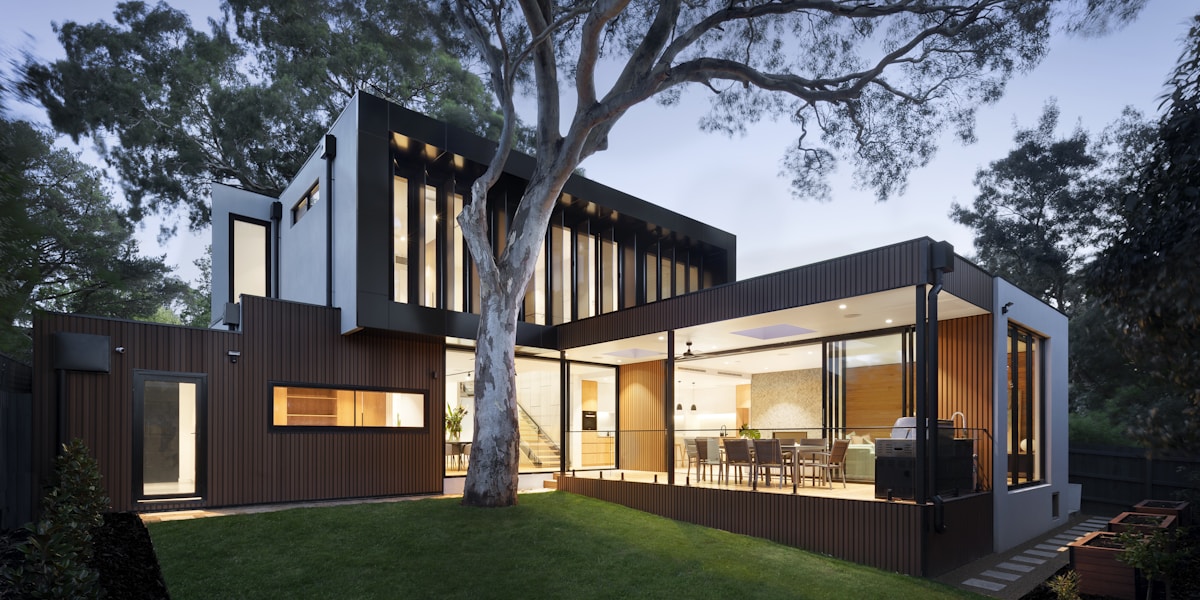
To illustrate the actual CDP process, consider this recent Pacific Beach ADU project completed in January 2026:
Project Details:
- Location: Residential property 200 feet from Sail Bay, within Coastal Overlay Zone
- Structure: 800 sq ft detached ADU with two bedrooms
- Special Considerations: Property within Beach Impact Area, requiring parking analysis
Actual Timeline:
- Week 1: Pre-application meeting with Development Services staff identified parking as key consideration
- Weeks 2-3: Architect prepared plans incorporating staff feedback, including one parking space
- Week 4: Submitted CDP application with building permit application under AB 462 concurrent processing
- Weeks 5-6: First review cycle completed, minor revisions requested for drainage plan
- Week 7: Revised plans submitted and approved
- Week 8: CDP and building permit issued simultaneously
Total Cost Breakdown:
- CDP Application Fee: $8,000 (deposit method, final charges: $6,847)
- Building Permit: $4,200
- Architectural Plans: $8,500
- Geotechnical Report: $2,800 (required due to proximity to bay)
- Total Permitting Investment: $22,347
This project demonstrates how AB 462's 60-day mandate works in practice. By scheduling the pre-application meeting early and addressing parking requirements upfront, the builder achieved 8-week approval—faster than the standard timeline for non-ADU coastal projects.
Ministerial vs Discretionary CDPs: Comparison Table
Understanding which CDP track your project follows is essential for timeline and budget planning:
| Factor | Ministerial CDP | Discretionary CDP |
|---|---|---|
| Review Authority | Staff-level approval | Planning Commission or City Council |
| Public Hearing | No | Yes, required |
| Typical Timeline | 2-4 months | 6-12 months |
| Base Cost Range | $8,000-$12,000 | $15,000-$28,824 |
| Appeal Rights | Limited (Coastal Commission only) | Multiple levels (local + Coastal Commission) |
| Project Examples | ADUs, garage conversions, minor additions >50ft from bluff | New homes, major remodels, bluff-adjacent construction |
| Environmental Review | CEQA exemption common | Full CEQA analysis often required |
| Success Rate | 95%+ if criteria met | 80-85% (varies by project complexity) |
The key distinction: ministerial permits must be approved if your project meets objective standards, while discretionary permits involve subjective decision-making where officials evaluate broader impacts and can deny based on concerns raised during public review.
Expanded Cost Scenarios for Pacific Beach Projects
Beyond base permit fees, total costs vary significantly based on project scope and location. Here are three realistic scenarios for 2026:
Scenario 1: Standard Residential ADU (Interior Location)
- CDP Fee: $8,000 (deposit method, final: ~$6,500)
- Building Permit: $4,000-$5,000
- Architectural Plans: $7,000-$10,000
- Structural Engineering: $2,500-$3,500
- Survey (if required): $1,500-$2,000
- Total Estimated Cost: $23,500-$29,000
- Timeline: 8-12 weeks
Scenario 2: Custom Home Near Coastal Bluff
- CDP Fee: $28,824 (flat fee for single dwelling)
- Building Permit: $25,000-$35,000 (varies with valuation)
- Architectural Plans: $35,000-$50,000
- Geotechnical Report: $8,000-$12,000
- Coastal Engineer Review: $5,000-$8,000
- Environmental Impact Assessment: $10,000-$15,000
- Survey and Topographic Mapping: $3,000-$5,000
- Public Hearing Consultant: $8,000-$12,000
- Total Estimated Cost: $122,824-$165,824
- Timeline: 9-14 months

Scenario 3: Major Remodel with Addition (Discretionary Review)
- CDP Fee: $8,000 initial + additional charges (~$12,000 total)
- Building Permit: $15,000-$20,000
- Architectural Plans: $20,000-$30,000
- Structural Engineering: $5,000-$8,000
- Discretionary Close-Out: $1,179
- Visual Impact Analysis (if required): $4,000-$6,000
- Total Estimated Cost: $65,179-$85,179
- Timeline: 6-10 months
These scenarios illustrate how location, project complexity, and environmental sensitivity drive total costs. Properties within 50 feet of coastal bluffs consistently require the highest investment in technical studies and professional expertise.
Key Requirements for Pacific Beach Coastal Projects
Beach Impact Area Considerations
Pacific Beach properties within the Beach Impact Area face stricter parking requirements. While state ADU laws waive parking for properties within 0.5 miles of public transit, Beach Impact Area properties may still require parking even with transit proximity.
Exemptions and Simplified Procedures
Your Pacific Beach project may qualify for ministerial CDP (no public hearing) if it:
- Sits more than 50 feet from coastal bluff edges
- Is located over 300 feet inland from mean high tide line
- Doesn't remove vegetation within 100 feet of bluffs
- Doesn't encroach on public coastal access ways
- Doesn't involve expanding wells or septic systems
Garage conversions and projects on already-developed lots that comply with zoning and don't impact sensitive lands may also qualify for simplified processing.
Environmental Review Standards
All coastal development undergoes scrutiny for:
- Public Access: Ensuring coastal access isn't blocked
- Visual Resources: Protecting ocean views and scenic quality
- Marine Resources: Safeguarding beach ecosystems and water quality
- Hazards: Addressing bluff stability, erosion, and sea-level rise
Properties within 50 feet of coastal bluffs face enhanced scrutiny due to erosion concerns affecting neighborhoods from Pacific Beach to La Jolla Shores.
2026 Guidance on ADU/JADU Streamlining
The California Coastal Commission is developing comprehensive guidance for ADUs and Junior ADUs in the coastal zone, expected by July 1, 2026, pursuant to Senate Bill 1077. This guidance will further simplify permitting procedures and reduce conflicts between local jurisdictions and the Commission.
Pro Tips for Pacific Beach Builders
1. Schedule Pre-Application Meetings Early
Development Services staff can identify deal-breaking issues before you invest in expensive architectural plans. This single step saves thousands in revision costs.
2. Document Everything for Beach Bluff Properties
If your Pacific Beach project is near coastal bluffs, invest in professional geotechnical reports upfront. Bluff stability concerns are the primary cause of permit denials and delays in coastal San Diego neighborhoods.
3. Leverage AB 462 for ADU Projects
The 60-day timeline and elimination of Coastal Commission appeals make ADUs significantly more viable in Pacific Beach than they were in 2024-2025. Take advantage of this streamlined process for homeowner and builder projects alike.
4. Plan for Concurrent Review Processes
AB 462 allows CDP review to run concurrently with other ministerial reviews, eliminating sequential processing delays. Coordinate your submittals to maximize this time-saving benefit.
5. Budget for Professional Support
Complex coastal projects benefit from architects and consultants familiar with San Diego's Local Coastal Program. Their expertise navigating the Coastal Overlay Zone regulations typically saves more than their fees in avoided revisions and delays.
6. Understand Your Property's Specific Constraints
Request a Zoning Information Report from Development Services before purchasing or starting design work. This $150 report identifies all applicable overlays, setbacks, and special regulations affecting your Pacific Beach property—essential information that prevents costly surprises mid-project.
7. Monitor Coastal Commission Agendas
Even if your project doesn't require Commission review, monitoring their monthly agendas for Pacific Beach and San Diego decisions provides insights into current priorities and emerging policy trends that may affect future permit interpretations.
8. Consider Phasing for Large Projects
Breaking complex projects into phases can sometimes reduce overall timeline and cost. For example, completing non-coastal improvements first while pursuing CDP approval for coastal elements allows construction to begin sooner and generates cash flow to fund later phases.
9. Prepare for Climate Adaptation Requirements
Pacific Beach projects increasingly face sea-level rise and coastal hazard assessments, especially properties within 300 feet of the shoreline. Recent guidance emphasizes designing for 2050 conditions rather than current baseline—factor these requirements into initial planning.
10. Build Relationships with City Staff
Development Services planners handle hundreds of applications annually. Builders who communicate professionally, respond promptly to requests, and demonstrate knowledge of regulations develop reputations that smooth future permit processes. This relationship-building pays dividends across multiple projects.
Frequently Asked Questions
How long does a Coastal Development Permit take in Pacific Beach?
Standard Coastal Development Permits in Pacific Beach typically take 6-12 months from application to final approval. However, ADU projects benefit from AB 462's 60-day mandate with concurrent processing, reducing timelines to 3-4 months total including building permits. Complex projects involving beach bluff setbacks, environmental impacts, or multiple discretionary permits can extend beyond 12 months. The best strategy is scheduling a pre-application meeting with Development Services to get project-specific timeline estimates.
What's the difference between ministerial and discretionary CDPs?
Ministerial CDPs are approved by staff without public hearings if projects meet specific criteria: located more than 50 feet from bluff edges, over 300 feet from mean high tide line, no vegetation removal near bluffs, and no coastal access impacts. These process faster (typically 2-4 months). Discretionary CDPs require decision-maker review and public hearings, where officials can approve or deny based on issues raised. Most significant construction projects require discretionary review, while simple ADUs, garage conversions, and minor renovations may qualify for ministerial processing.
Can I appeal a Coastal Development Permit denial?
Yes, permit denials can be appealed to the California Coastal Commission, except for ADU permits under AB 462, which eliminated appeal rights. The Commission appeal process takes 6-8 months on average from start to finish. Appeals require a $2,000 deposit according to San Diego's fee schedule. For non-ADU projects, understanding appeal procedures is essential, as local permit approvals can also be appealed by third parties to the Coastal Commission within specific timeframes.
Local Expertise Matters for Pacific Beach Projects
Navigating Pacific Beach's coastal permitting requirements demands local knowledge and experience. The intersection of California Coastal Act requirements, San Diego's Local Coastal Program, and neighborhood-specific considerations creates complexity that generic advice can't address.
For builders planning construction in Pacific Beach, La Jolla, Mission Beach, or Bird Rock, understanding these timelines and requirements is the foundation of successful project planning. The 2026 landscape offers improved ADU procedures while maintaining robust environmental protection for one of San Diego's most treasured coastal communities.
Whether you're building a custom home near Tourmaline Surfing Park or adding an ADU in the heart of Pacific Beach, investing time in proper permit preparation pays dividends in smoother approvals and faster construction starts.
Sources
- California Coastal Commission: Coastal Development Permit Application and Appeal Forms
- City of San Diego: Article 6 - Development Permits
- City of San Diego: Discretionary Permit Information
- City of San Diego: Information Bulletin 503 - Fee/Deposit Schedules
- Better Place Design Build: Building an ADU in San Diego's Coastal Zone
- Transect: California's Coastal Development Permit Guide
- City of San Diego: Municipal Code Chapter 13 - Zones