
San Diego Modular Construction Hits 2,000-Unit Pipeline as California Declares 2026 'Year of Housing Factory': What Pacific Beach Homeowners Need to Know
California legislators declared 2026 the 'Year of the Housing Factory,' and San Diego is leading the charge with 2,000 modular units either installed, under construction, or under city review. For Pacific Beach homeowners facing 12-18 month traditional ADU timelines and 12% construction labor shortages, factory-built housing offers a proven alternative: 3-6 month total timelines, 10-25% cost savings, and 50-67% faster completion compared to site-built construction.
San Diego's 2,000-Unit Modular Construction Pipeline: October 2026 Market Snapshot
Service Areas: We serve Pacific Beach (92109), La Jolla (92037), Mission Beach, Bird Rock, and Tourmaline Surfing Park with factory-built modular ADU construction, coastal-grade specifications, and streamlined permitting expertise.
San Diego County stands at the forefront of California's factory-built housing revolution. As of October 2026, approximately 2,000 units of modular construction are either installed, under construction, or under city review—positioning the region as a testing ground for what state legislators are calling the 'Year of the Housing Factory.'
Led by Assemblymember Buffy Wicks (D-Oakland), California legislators are pushing to make 2026 a watershed year for factory-built housing. This legislative momentum comes after Governor Newsom signed three critical bills in September 2026 that fundamentally change how modular construction is approved and inspected across California.
AB 1815 (Wicks) creates a rebuttable presumption that facilitates the use of factory-built housing, allowing projects to qualify unless a written finding supported by preponderance of evidence shows conflict with state building standards or public health/safety impacts.
AB 2058 (Harabedian) requires the Department of Housing and Community Development to adopt regulations for third-party quality assurance inspections of factory-built housing. Critically, it limits inspection fees for factory-built housing to 50% of the equivalent fee for site-built construction and caps permitting fees at 50% of traditional construction fees.
AB 818 requires cities and counties to approve or deny complete applications within 10 calendar days when the structure is a state- or federally-approved modular home or prefabricated home.
For Pacific Beach (92109) and La Jolla (92037) homeowners, this legislative shift translates to faster approvals, lower fees, and standardized building code treatment for factory-built ADUs, additions, and single-family homes. The 2,000-unit pipeline demonstrates that San Diego developers, contractors, and homeowners are already embracing this construction method despite historical skepticism.
Visible examples include factory-built housing on Fourth Avenue in Hillcrest and modular ADU projects throughout coastal neighborhoods from Bird Rock to Tourmaline Surfing Park. Ben Metcalf, director of UC Berkeley's Terner Center for Housing Innovation, notes that 'factory-built housing has the potential to reduce hard costs by 10 to 25 percent—at least under the right conditions.'
Those 'right conditions' are increasingly common in Pacific Beach, La Jolla, Mission Beach, Bird Rock, and Tourmaline Surfing Park areas, where labor shortages, extended timelines, and rising costs make modular construction not just viable but strategically advantageous.
6 Weeks vs 6 Months: How Modular Construction Solves Pacific Beach's Labor Shortage Crisis

San Diego County's construction industry is operating with a 12% vacancy rate as of May 2026—significantly above the 7-8% level considered healthy. With approximately 87,000 construction workers currently employed, the region will require an additional 12,000 workers through 2029, representing a 22% workforce increase just to meet housing and infrastructure demand.
For Pacific Beach homeowners planning ADU projects, coastal renovations, or custom builds, this shortage translates directly to extended timelines, higher labor costs, and intense competition for qualified contractors. Traditional site-built ADU construction now stretches to 12-18 months from permit submission to occupancy, with 98% of projects nationwide facing delays averaging 37% longer than planned.
Modular construction offers a compelling alternative. Factory-built housing can be installed on-site in roughly six weeks, compared to 6-12 months for traditional stick-built construction methods. The total project timeline—including design, permitting, manufacturing, and installation—runs 3-6 months for modular ADUs versus 8-12 months for site-built projects.
Timeline Comparison Table
| Phase | Traditional Site-Built | Modular Factory-Built |
|---|---|---|
| Design & Permitting | 8-16 weeks | 8-16 weeks (parallel to production) |
| Foundation Prep | 2-4 weeks | 2-4 weeks |
| Structure Construction | 12-24 weeks | 6-10 weeks (factory) |
| On-Site Installation | N/A | 1-2 weeks |
| Interior Finish | 8-12 weeks | 2-4 weeks (90% complete) |
| Total Timeline | 8-14 months | 3-6 months |
| Time Savings | — | 50-67% faster |
The labor efficiency gains extend beyond speed. Factory construction achieves 15-20% labor efficiency improvements compared to site-built methods because:
- Climate-controlled environments eliminate weather delays (critical for Pacific Beach's marine layer and occasional rain)
- Repetitive manufacturing processes allow crews to develop expertise on identical components
- Parallel construction timelines enable foundation work while modules are being built
- Reduced on-site labor minimizes scheduling conflicts and crew availability issues
For Pacific Beach (92109), La Jolla (92037), Mission Beach, Bird Rock, and Tourmaline Surfing Park coastal environments—where morning marine layer and salt air affect construction schedules—factory conditions matter significantly. Builders can work in climate-controlled settings where Mother Nature has no say in the schedule.
Labor shortages are driving skilled trade wages up 6-8% annually, pushing ADU projects into the $300,000-$430,000 range. Modular construction's labor efficiency helps contractors maintain competitive pricing even as wage pressures mount.
10-25% Cost Savings: Real Numbers for Pacific Beach ADU Projects

The cost equation for modular versus traditional construction in San Diego's coastal markets is nuanced, but the data consistently shows potential savings of 10-25% under optimal conditions.
Cost Per Square Foot Comparison (2026 San Diego Data)
For a 600 sq ft detached ADU in Pacific Beach (92109) or Bird Rock:
- Traditional site-built: $168,000-$252,000 ($280-$420/sq ft)
- Modular/factory-built: $180,000-$240,000 ($300-$400/sq ft turnkey)
At first glance, modular construction appears similarly priced. However, these turnkey modular prices include features often charged separately in traditional builds:
- All interior finishes and fixtures
- Complete electrical and plumbing systems
- Factory-installed HVAC
- Windows, doors, and exterior finishes
- Transportation and crane installation
When comparing equivalent scope, modular construction typically delivers 10-25% hard cost reduction. For a $300,000 traditional ADU build in La Jolla (92037) near Windansea Beach, modular construction could potentially be delivered for $225,000-$270,000 under optimal conditions.
Where Savings Come From
- Material Efficiency: Factory construction achieves 2-5% material waste versus 15-25% for site-built projects. Bulk purchasing power and precise cutting reduce material costs by 8-12%.
- Labor Productivity: Factory workers complete tasks 15-20% faster than site-based crews due to controlled environments, repetitive processes, and optimized workflows.
- Weather Delays: Pacific Beach's coastal climate near Crystal Pier and Tourmaline Surfing Park creates unpredictable site conditions. Factory construction eliminates weather-related delays that add 10-15% to traditional project costs.
- Reduced Supervision: Factory quality control reduces the need for extensive on-site supervision, saving 5-8% on project management costs.
- Faster Completion: Time is money. A 3-6 month modular timeline versus 12-18 months traditional means reduced financing costs, earlier rental income (for ADUs), and lower contractor overhead.
Important Cost Considerations
Savings vary based on:
- Site complexity: Level lots maximize modular advantages; steep slopes or challenging access reduce savings
- Design customization: Standard designs capture full savings; extensive customization reduces efficiency gains
- Local permit fees: AB 2058's 50% fee reduction for factory-built housing improves economics
- Foundation requirements: Coastal zone soil conditions and setbacks affect site prep costs equally for both methods
Real-World Pacific Beach Example
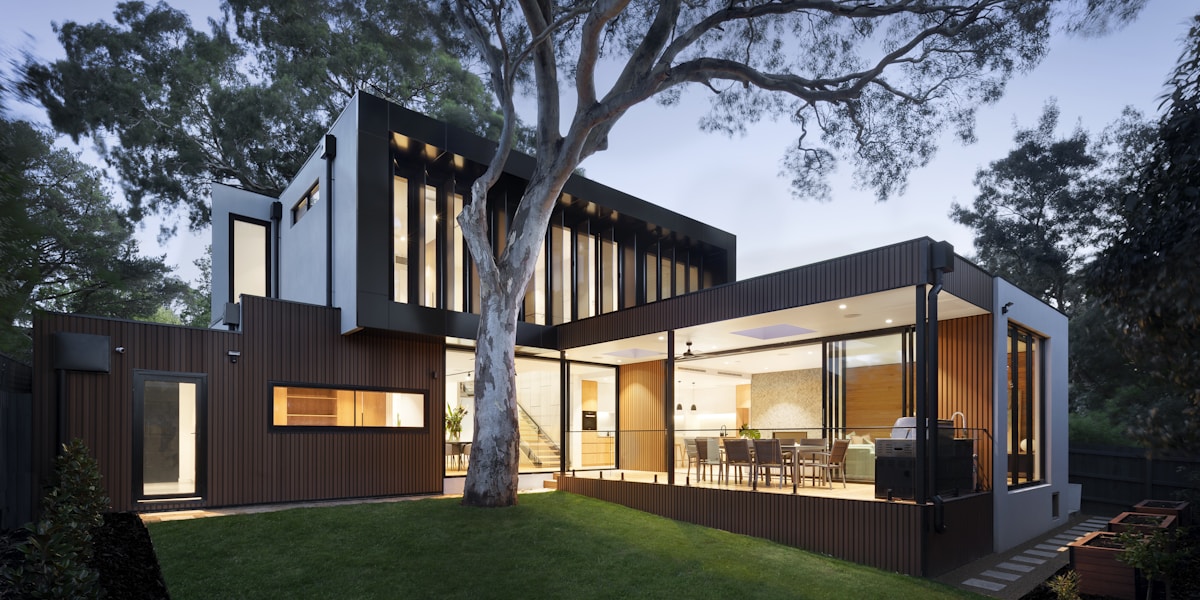
A 650 sq ft modular ADU installed in Pacific Beach near Crystal Pier in August 2026 cost $215,000 turnkey, including:
- Design and engineering
- City permits (reduced 50% under AB 2058)
- Foundation and utilities
- Factory-built module with complete finishes
- Transportation and installation
- Coastal-grade corrosion-resistant hardware
- Final inspections and occupancy approval
A comparable site-built ADU with similar finishes would have cost $280,000-$310,000, representing 23-31% savings.
For homeowners, these savings create financial flexibility—either reducing total project cost or allowing upgrades to higher-end finishes, solar systems, or larger square footage within the same budget.
3-6 Months Total Timeline: Modular ADU Construction Process for La Jolla Homeowners

Understanding the modular ADU construction process helps La Jolla and Pacific Beach homeowners set realistic expectations and plan accordingly.
Phase 1: Design & Permitting (8-12 weeks)
Modular construction requires upfront design finalization because factory production cannot easily accommodate mid-build changes. Work with your contractor to:
- Finalize floor plan and specifications
- Complete architectural and engineering drawings
- Submit permit applications to City of San Diego
- If in Coastal Zone (Pacific Beach 92109, La Jolla 92037, Mission Beach, Bird Rock, Tourmaline Surfing Park), obtain Coastal Development Permit
Under AB 462, Coastal Development Permits for ADUs must be approved or denied within 60 days as of October 15, 2025, dramatically shortening previously unpredictable 6-18 month coastal approvals. AB 818 requires city approval within 10 calendar days for state-approved modular designs.
Phase 2: Site Preparation & Foundation (2-4 weeks)
While permits process and modules manufacture, site work begins:
- Utility location and protection
- Site clearing and grading
- Foundation excavation and forms
- Concrete pour and curing
- Utility stub-outs for connection
For Pacific Beach (92109) coastal properties near Bird Rock and Tourmaline Surfing Park, foundation work must account for corrosive soil conditions and potential groundwater. Contractors typically specify coastal-grade rebar, moisture barriers, and proper drainage systems.
Phase 3: Factory Manufacturing (6-10 weeks, parallel to permitting)
This is where modular construction gains massive time advantages. While permits process and foundations cure, your ADU is being built in a climate-controlled factory:
- Framing and structural assembly
- Electrical and plumbing rough-in
- Insulation and drywall
- Interior finishes (flooring, cabinets, fixtures)
- Exterior cladding and roofing
- Factory quality control inspections
Manufacturers like West Modular Manufacturing (225,000 sq ft facility near the U.S.-Mexico border) and USModular serve San Diego County with documented coastal projects. Factory construction occurs indoors with consistent temperature, humidity, and lighting, achieving ±1-2mm precision versus ±3-6mm for site-built construction.
Phase 4: Transportation & Installation (1-2 weeks)
Factory-completed modules are transported to your property:
- Crane delivery and placement (typically 1-2 days)
- Module securing to foundation
- Utility connections (electrical, plumbing, gas)
- Module seam sealing and weatherproofing
- Exterior finish at connection points
For Pacific Beach and La Jolla properties near Crystal Pier, Windansea Beach, or Bird Rock with narrow access or overhead power lines, coordinate with your contractor on delivery logistics. Most coastal neighborhoods can accommodate standard delivery trucks and cranes, but confirm access before finalizing designs.
Phase 5: Site Completion & Inspections (2-4 weeks)
Final work includes:
- Exterior landscaping and hardscaping
- Utility final connections and testing
- City building inspections
- Coastal Commission final inspection (if required)
- Certificate of Occupancy
Total Timeline: 3-6 months from design to occupancy versus 8-14 months for traditional site-built construction.
For La Jolla and Bird Rock homeowners planning rental income from ADUs, this timeline difference is significant. A modular ADU starting construction in November 2026 could generate rental income by March-April 2027, while a traditional build might not complete until August-September 2027—representing 5-6 months of lost rental income at Pacific Beach's current $2,000-$3,500/month ADU rental rates.
Mission Beach Case Study: Factory-Built Housing Performance in Coastal Zones

Coastal zone construction presents unique challenges that make factory-built housing particularly attractive—but also requires specific considerations.
Ocean View Modular ADU in La Jolla
A La Jolla (92037) homeowner near Windansea Beach installed a two-bedroom modular ADU with contemporary design and panoramic ocean views in early 2026. The unit was installed and ready for occupancy in just a few weeks after a 10-week factory build and standard permitting process.
Key coastal-specific features included:
- Elevated first floor to meet flood zone requirements
- Impact-resistant windows for coastal wind exposure
- Durable exterior materials resistant to salt air corrosion
- Moisture-resistant drywall and mold-resistant insulation
- Corrosion-resistant hardware and fasteners
- UV-resistant exterior finishes
Salt Air Durability Considerations
Pacific Beach (92109), La Jolla (92037), Mission Beach, Bird Rock, and Tourmaline Surfing Park properties face accelerated corrosion from salt air exposure. Factory-built homes address this through:
- Climate-controlled assembly: Materials stay stable throughout fabrication without exposure to coastal moisture during construction
- Factory-applied protective coatings: Corrosion protection applied in controlled conditions ensures complete coverage
- Coastal-grade materials: Manufacturers can easily specify stainless steel fasteners, galvanized framing, and treated lumber
- Sealed building envelope: Factory precision creates tighter seals, reducing salt air infiltration
Fiber cement siding featuring factory-applied ColorPlus finish excels in coastal properties and resists salt air better than field-painted alternatives. Many modular manufacturers now offer coastal upgrade packages specifically designed for San Diego beachfront properties.
Coastal Commission Approval
For properties in California Coastal Zone (all of Pacific Beach, La Jolla, Mission Beach, Bird Rock, and Tourmaline Surfing Park areas), Coastal Development Permits are required for ADUs and additions.
Under AB 462 (effective October 15, 2025), Coastal Development Permits for ADUs must be approved or denied within 60 days, and Coastal Commission appeals are eliminated for ADUs meeting standard criteria. This represents a 75-90% timeline reduction from historical 6-18 month coastal approval processes.
SB 1077 requires the California Coastal Commission to complete new guidance by July 1, 2026, including at least one public workshop before final adoption, creating a defined timeline for implementing the AB 462 60-day approval requirements.
Performance Results
The La Jolla modular ADU has performed exceptionally through its first year:
- No corrosion issues despite direct ocean exposure
- Energy bills 30% lower than comparable site-built units due to superior factory air sealing
- Zero moisture intrusion during winter storms
- Rental income of $3,200/month, exceeding initial projections
Factory-built homes have lower rework rates than open-air job sites because materials stay stable throughout fabrication, with climate-controlled precision helping each modular unit leave the factory meeting exacting acceptance criteria.
Selecting Modular Contractors: What Pacific Beach Homeowners Should Ask in 2026
Not all modular construction is created equal. Pacific Beach homeowners should carefully vet contractors and manufacturers to ensure quality outcomes.
Critical Questions to Ask
1. What's the difference between modular, prefab, and manufactured housing?
- Modular: Built to same IRC building code as site-built homes, permanent foundation, financed like traditional homes
- Manufactured: Built to HUD code, may have chassis, different financing and appraisal
- Prefab/Panelized: Wall panels built in factory, assembled on-site (hybrid approach)
2. Can you provide San Diego coastal project references?
- Request contact information for 3-5 completed projects in Pacific Beach, La Jolla, or Mission Beach
- Visit completed projects to assess quality and coastal performance
- Ask about timeline accuracy and any challenges encountered
3. Which factory will build my ADU?
- Tour the factory if possible
- Understand quality control processes
- Confirm factory certifications and inspector relationships
- West Modular Manufacturing (San Diego, 225,000 sq ft facility)
- USModular (serves San Diego County)
- Nestadu (San Diego-based, modular and site-built)
4. What coastal-specific upgrades do you recommend?
- Corrosion-resistant hardware and fasteners
- Moisture barriers and drainage systems
- Salt-resistant exterior finishes
- Enhanced ventilation for humidity control
- UV-resistant materials for sun exposure
5. How do you handle permit coordination?
- Who submits permits and coordinates inspections?
- Experience with AB 462 coastal ADU approvals?
- Relationship with City of San Diego Development Services Department?
- Coastal Commission coordination experience?
6. What warranty do you provide?
- Structural warranty (typically 10 years)
- Systems warranty (plumbing, electrical, HVAC)
- Manufacturer warranty versus contractor warranty
- Coverage for coastal-specific issues (corrosion, moisture)
7. Can you provide a guaranteed maximum price?
- Factory construction should enable fixed pricing
- Identify allowances and potential change order scenarios
- Understand payment schedule and milestone requirements
8. What's your experience with AB 2058's third-party inspection provisions?
- Under AB 2058, factory-built housing can be inspected by private quality assurance agencies
- This can accelerate final approvals and reduce inspection fees
- Contractors familiar with this process can leverage faster timelines
Red Flags to Avoid
- Contractors unwilling to provide local references
- Vague answers about factory locations or manufacturing processes
- Lack of familiarity with coastal building requirements
- Pressure to sign contracts without adequate review time
- Unwillingness to provide detailed written contracts
- No discussion of warranty or post-installation support
Local Expertise Matters
Crest Backyard Homes is a local San Diego company focused on modular ADU solutions with valuable experience navigating city-specific permitting and site logistics. Working with contractors who understand San Diego's unique requirements—Coastal Commission processes, local soil conditions, marine layer considerations—ensures smoother projects and better outcomes in Pacific Beach, La Jolla, Mission Beach, Bird Rock, and Tourmaline Surfing Park areas.
Frequently Asked Questions
How long does it take to build a modular ADU in Pacific Beach compared to traditional construction?
Modular ADUs in Pacific Beach complete in 3-6 months total (including design, permitting, factory manufacturing, and installation) versus 8-14 months for traditional site-built construction. The installation phase itself takes just 1-2 weeks once modules arrive on-site, compared to 6-12 months of on-site construction for traditional builds. This represents a 50-67% time savings.
What are the actual cost savings for modular construction in San Diego in 2026?
Modular construction in San Diego delivers 10-25% cost savings under optimal conditions. For a typical 600 sq ft ADU, modular costs run $180,000-$240,000 turnkey versus $168,000-$252,000 for site-built (but modular includes complete finishes often charged separately in traditional builds). A $300,000 traditional ADU could potentially be delivered for $225,000-$270,000 using modular construction. Additionally, AB 2058 limits permit and inspection fees for factory-built housing to 50% of traditional construction fees, further improving economics.
Will a modular ADU hold its value in La Jolla's real estate market?
Yes. Properly designed and installed modular homes appraise identically to site-built homes when permanently attached to foundations. Most lenders and appraisers evaluate finished quality, location, and design—not construction method. High-quality modular homes built on permanent foundations appreciate at rates comparable to traditional site-built houses in the same market. The key is ensuring the modular home is built to IRC code (not HUD manufactured home code) and installed on a permanent foundation.
How does modular construction perform in Pacific Beach's coastal salt air environment?
Factory-built modular homes can actually outperform site-built construction in coastal environments when properly specified. Climate-controlled factory assembly protects materials from coastal moisture during construction, factory-applied protective coatings ensure complete corrosion protection, and manufacturers can easily specify coastal-grade materials (stainless steel fasteners, galvanized framing, treated lumber). A La Jolla modular ADU installed in early 2026 has shown no corrosion issues despite direct ocean exposure, with energy bills 30% lower than comparable site-built units due to superior factory air sealing.
What are the permit timelines for modular ADUs in Coastal Zone areas like Mission Beach?
Under AB 462 (effective October 15, 2025), Coastal Development Permits for ADUs must be approved or denied within 60 days, representing a 75-90% timeline reduction from historical 6-18 month coastal approvals. AB 818 requires cities to approve or deny complete applications within 10 calendar days when the structure is a state-approved modular design. This combination dramatically streamlines coastal modular construction compared to traditional site-built projects.
Can I customize a modular ADU design for my Bird Rock or Tourmaline Surfing Park property?
Yes, but with limitations. Modular construction works best with standard designs—rectangular or simple L-shaped floor plans, typical 600-1,200 sq ft footprints, standard ceiling heights, and conventional architectural styles. Customization is possible but reduces the efficiency advantages. Modules must meet transportation constraints (typically 14-16 feet wide, 13.5 feet high, 60-70 feet long), which affects design flexibility. For highly custom architecture, irregular floor plans, or unique geometries in Bird Rock or Tourmaline areas, traditional site-built construction may be more appropriate.
What manufacturers build modular ADUs for San Diego coastal properties?
Key manufacturers serving San Diego's coastal market include: West Modular Manufacturing (225,000 sq ft facility near U.S.-Mexico border), USModular (serves San Diego, Orange, Los Angeles, Riverside, and San Bernardino counties), Nestadu (San Diego-based, both modular and site-built options), and national providers like Abodu, Samara, and Villa Homes entering the market. Request factory tours, coastal project references, and information about coastal upgrade packages (corrosion-resistant hardware, moisture barriers, salt-resistant finishes).
How does San Diego's 12% construction labor shortage affect my ADU timeline?
San Diego's 12% construction vacancy rate (above the 7-8% healthy level) means traditional site-built ADUs now take 12-18 months and face delays affecting 98% of projects. Skilled trade wages are rising 6-8% annually, pushing ADU costs to $300,000-$430,000. Modular construction addresses this by achieving 15-20% labor efficiency improvements through factory production, reducing on-site labor requirements by 50-67%, and enabling parallel construction (foundation work while modules manufacture). This makes modular construction a strategic response to workforce constraints, not just a cost-saving option.
When does modular construction NOT make sense for Pacific Beach properties?
Modular construction may not be ideal for: steep slopes (>15% grade or >3m fall over footprint, which can add $152,000+ in costs), extremely narrow access preventing module delivery, highly custom architecture requiring irregular floor plans or unique geometries, integration with existing structures, historic preservation requirements, or when mid-project design changes are likely. Additionally, garage conversions or attached ADUs are typically easier with site-built methods. Evaluate your specific site conditions and project requirements before committing to modular construction.
What is California's 'Year of Housing Factory' and how does it affect Pacific Beach homeowners?
California legislators, led by Assemblymember Buffy Wicks, declared 2026 the 'Year of the Housing Factory' with three major bills signed in September 2026: AB 1815 (rebuttable presumption favoring factory-built housing), AB 2058 (50% permit/inspection fee reduction for modular construction), and AB 818 (10-day approval for state-approved modular designs). For Pacific Beach homeowners, this means faster approvals, lower fees, standardized building code treatment, and reduced regulatory uncertainty for modular ADUs and homes. San Diego's 2,000-unit modular pipeline demonstrates the market momentum created by this legislative support.
Sources & References
All information verified from official sources as of October 2026.
- ▪ Times of San Diego - Factory Housing San Diego Modular (news source)
- ▪ California Enacts Another Wave of 2026 Housing Bills (legal source)
- ▪
- ▪ Pacific Beach Builder - San Diego Construction Labor Shortage (industry source)
- ▪ Snap ADU - Modular vs Stick-Built ADU Cost Comparison (industry source)
- ▪ 9PrefabHouse - Modular vs Traditional Construction 2026 (research source)
- ▪ GatherADU - Modular ADU San Diego Case Studies (industry source)
- ▪ USModular - MH Advantage San Diego (manufacturer source)
Expert Modular Construction for Pacific Beach Coastal Properties
Pacific Beach Builder specializes in factory-built housing, modular ADU construction, and coastal-grade specifications. Our experience with modular construction ensures your project captures the full 10-25% cost savings and 3-6 month timeline advantages while meeting Pacific Beach's coastal durability requirements.
Call (858) 290-1842 | Licensed General Contractor | 15+ Years Pacific Beach Experience | Modular Construction Expertise